 Türkçe
 English
What Is Teeth Whitening? Current Techniques and What You Need to Know
A comprehensive medical information guide about what teeth whitening (bleaching) is, why it is performed, and office-based and at-home whitening techniques.
What Is Teeth Whitening? Techniques and What You Need to Know
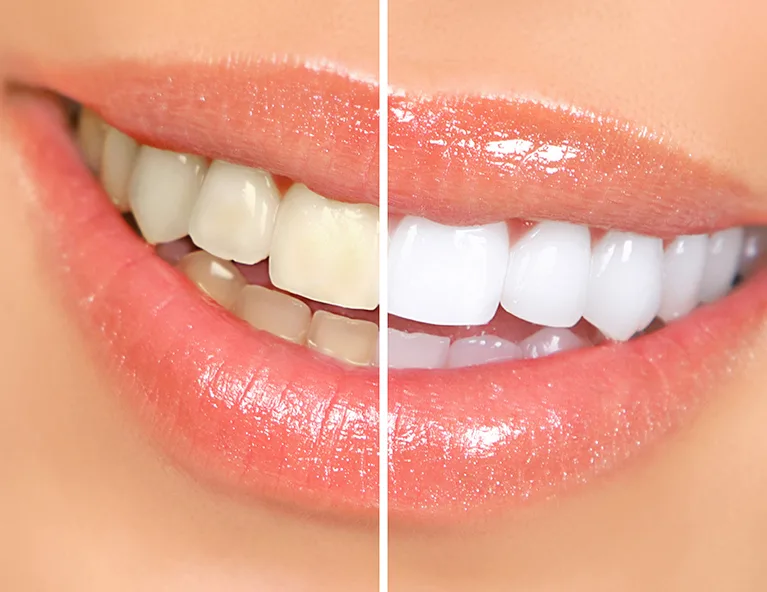
One of the details that attracts the most attention when communicating in our daily lives is our smile. However, over time, our teeth lose some of their natural whiteness due to various factors. These changes in tooth color lead to aesthetic concerns and, in turn, self-confidence issues in many individuals. At this point, teeth whitening, a procedure frequently preferred among dental applications, comes into play.
So, what exactly is teeth whitening, and by which methods is it performed? In this comprehensive guide, we will review the medical basis of the teeth whitening (bleaching) process, the current techniques used, and what should be considered before and after the procedure in plain language.
Why Do Teeth Change Color?
Before moving on to whitening, it is necessary to understand why teeth become yellow or stained. Dentists generally divide discoloration problems into two main categories. Therefore, knowing the source of the problem is of great importance for the success of the treatment to be applied.
Extrinsic Staining: The foods we consume and our daily habits pave the way for this condition. In particular, heavy consumption of tea, coffee, red wine, and tobacco products creates stains on the enamel, the outermost layer of the tooth. In addition, poor oral hygiene accelerates extrinsic staining.
Intrinsic Staining: These are structural stains that penetrate the dentin tissue, the deeper layer of the tooth. Febrile illnesses experienced during childhood, certain types of antibiotics used during tooth development (for example, tetracycline), physical trauma to the tooth, and enamel wear due to aging cause intrinsic staining.
What Is Teeth Whitening (Bleaching)?
Teeth whitening is the process of lightening the color of the tooth by dissolving colored organic and inorganic substances that have penetrated the enamel and dentin layers with the help of special chemical gels. This procedure is completely different from simple tartar cleaning.
Tartar cleaning (scaling) mechanically removes plaque and tartar from the tooth surface, returning the tooth to its natural color. Teeth whitening, on the other hand, aims to lighten the tooth's existing natural color by several shades using gels containing hydrogen peroxide or carbamide peroxide. This chemical oxidation process breaks down only the color molecules without leaving permanent damage to the tooth structure.
What Are the Teeth Whitening Techniques?
Thanks to advances in dental materials, there are now different whitening options suitable for patients' needs and tooth structure. Your dentist will determine the most appropriate technique for you based on a detailed intraoral examination. In light of current approaches, the main teeth whitening techniques are as follows:
1. Office-Type Teeth Whitening (Clinical Setting)
Office-type whitening is the fastest method, performed entirely under the dentist's control and directly in the clinic. In this method, the dentist first isolates your gums with a special protective barrier. This prevents the material used from damaging the soft tissues.
Next, a high-concentration whitening gel is applied to the tooth surfaces. Special medical light sources or laser devices are used to enhance the gel's effect and speed up the process. The procedure is generally applied in several sessions at 15-20 minute intervals. Patients leave on the day they come to the clinic, observing the results of the procedure.
2. At-Home Teeth Whitening (Dentist-Supervised)
At-home teeth whitening is a method, as the name suggests, in which the application is carried out by the patient at home, but the planning is done by the dentist. First, your dentist takes your oral measurements and prepares a transparent tray that fits your teeth exactly.
Along with this tray, whitening gels with a lower concentration than those used in office-type treatment are given to the patient. The patient places the gel into the tray in the dose specified by the dentist and keeps it on the teeth for an average of 4 to 6 hours a day (usually during nighttime sleep). The treatment period lasts an average of 1 to 2 weeks depending on the person's tooth structure. It provides gradual lightening and has a slightly lower risk of sensitivity compared with office-type treatment.
3. Combined Teeth Whitening
In cases with stubborn staining and high expectations, combined treatment is applied by combining both methods. After office-type whitening performed in the clinical setting, supportive treatment continues with the at-home method. In this way, both the longevity of the whiteness achieved is increased and a more in-depth result is obtained.
4. Single-Tooth (Intrinsic) Whitening (Devital Bleaching)
Root canal-treated teeth, having lost their vitality, can darken over time and take on a different color from the other teeth. External gels do not work on such non-vital teeth. Therefore, a special technique called "devital bleaching" is used.
The dentist removes the old filling inside the tooth, places whitening gel in the resulting space, and covers it with a temporary filling. This procedure is repeated every few days until the desired shade is reached. Once the ideal color is achieved, the gel is removed and the tooth is given a permanent filling.
For Whom Is Teeth Whitening Suitable?
Teeth whitening is a safe procedure for many adults with generally healthy oral conditions. However, there are some medical prerequisites for the procedure to be performed.
First of all, the patient should not have any gum disease (gingivitis or periodontitis). If there are decayed teeth, fractures, or leaking old fillings, these problems must be treated before whitening. Otherwise, the whitening chemicals may seep into the inner layers of the tooth and cause severe pain. In addition, the procedure is not recommended for women during pregnancy and breastfeeding, or for individuals under 18 who have not completed their growth and development.
Things to Consider During and After the Procedure
The longevity of the result achieved after teeth whitening depends directly on the care shown by the patient. It is very important to pay attention to the following details during and after the procedure:
Temporary Sensitivity: A slight stinging or sensitivity to hot and cold foods during the first few days after the procedure is completely normal. Your dentist may recommend special fluoride-containing toothpaste to ease this condition.
The White Diet Rule: The first 48 hours after whitening are critical. During this period, tooth enamel is highly susceptible to colorants. Colored foods such as tea, coffee, tomato paste, red wine, and sour cherry juice, and definitely tobacco products, should be avoided.
Routine Oral Care: To maintain whiteness, regular tooth brushing at least twice a day, along with dental floss and interdental brushes, should not be neglected.
Health Services Information and Warning Text
This article has been prepared solely for the purpose of informing the public within the framework of the rules of the "Regulation on Promotional and Informational Activities in Health Services." The information provided here under no circumstances replaces a medical diagnosis, a definitive treatment promise, or a doctor's advice.
The durability of teeth whitening and how much the teeth will lighten vary from person to person, depending entirely on the individual's genetic enamel structure, the nature of the existing stains, and lifestyle habits. To learn which teeth whitening method is suitable and safe for you and to obtain information about possible side effects (tooth sensitivity, gum irritation, etc.), you must consult a dentist and undergo an in-person examination. Please avoid making any interventions on your own or with products that have not received medical approval based on information found on the internet.